
When should Pearland homeowners use this checklist?
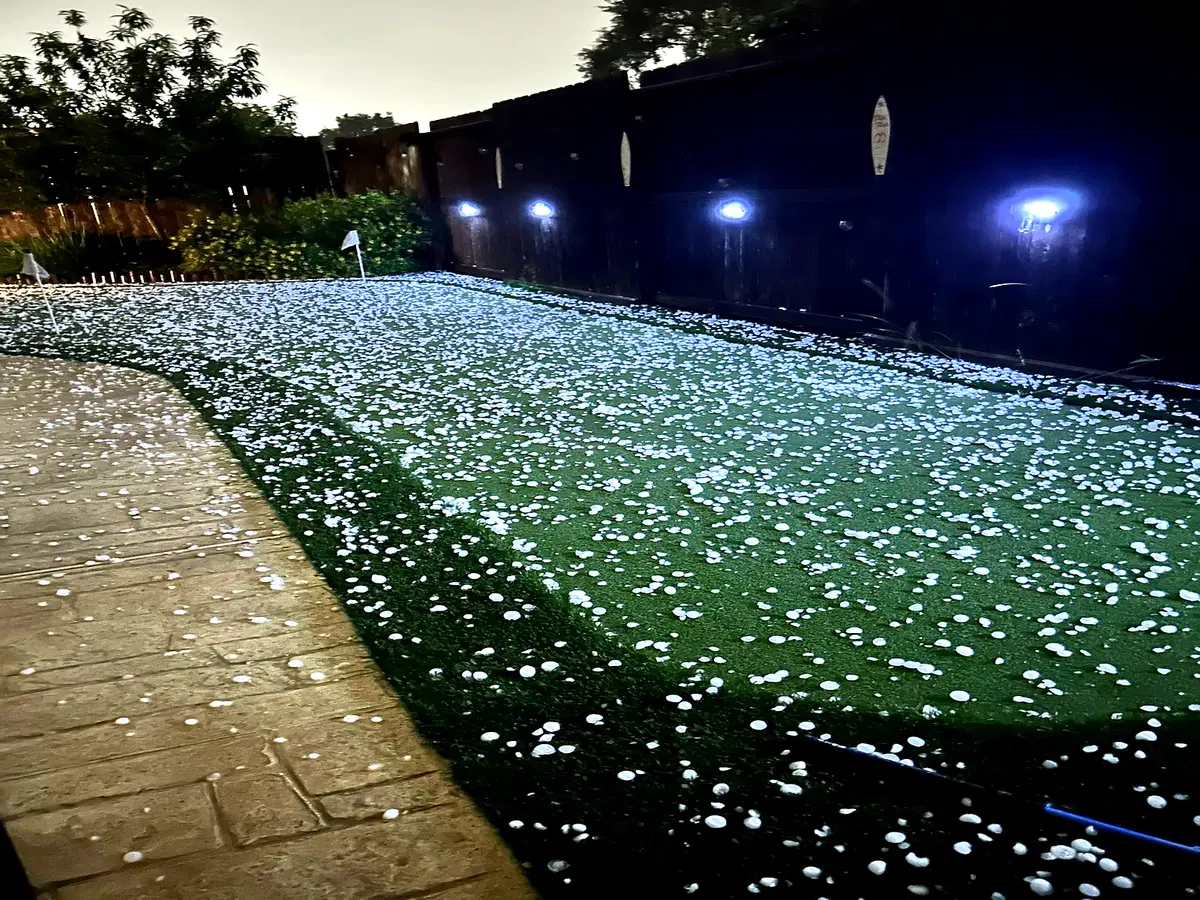
Run through the "before" list each spring, ahead of the Atlantic hurricane season, which runs June 1 to November 30, and use the "after" list any time hail, high wind or a tropical system hits. The City of Pearland notes that the greatest chance of a hurricane landfall in Texas is in August and September, but storms have struck the Upper Texas coast in every month from June to October.
Before the storm: how do I get my roof and home ready?
Have the roof checked, clear what wind can throw, and get your insurance paperwork in order before a storm is in the forecast. Most of these steps come straight from the Texas Department of Insurance's hurricane-season home checklist.
- Get your roof checked. TDI's advice: have a professional secure loose shingles and check the flashing around chimneys, skylights and valleys — damage there "will get worse in a storm." (A post-storm roof inspection works before a storm too.)
- Trim dead limbs and branches that hang over the house.
- Clear gutters and downspouts so heavy rain can drain off the roof edge — one of the steps on TexasReady's hurricane list.
- Make a home inventory: photos or video of every room, plus serial numbers and prices for major items.
- Check flood coverage. Homeowners policies typically don't cover floods, and a new flood policy has a 30-day waiting period — so buy it well before a storm.
- Save your agent and insurer in your phone and email yourself a copy of your policy's declarations page.
- Tie down or bring in patio furniture, trampolines, grills and anything else wind can turn into a projectile.
- Learn the alert terms. A tropical storm warning means 39–73 mph winds are likely within 36 hours; a hurricane warning means 74 mph or more within 36 hours (definitions from the City of Pearland).
During the storm: what if the roof starts leaking?
Stay inside, keep everyone away from wet or sagging ceilings, and manage the water from below — nobody should climb onto a roof in rain, lightning or high wind. Roof repairs wait until the weather clears.
- Put buckets under drips and move furniture and electronics out of the way.
- If a ceiling is bulging with water, poke a small hole at the lowest point so it drains into a bucket.
- Switch off the breaker for any circuit where water is near lights, outlets or the panel — only if you can do it safely.
- Take photos of the leak as it happens; they help show the damage was storm-related.
Right after the storm: what should I do first?
Make sure everyone is safe, photograph the damage, stop further damage, and call your insurance company. TDI's post-storm insurance tips (issued after Hurricane Beryl) cover the essentials:
- Check from the ground first. Look for missing shingles, lifted ridge caps, dented gutters and vents, and granules collecting at downspouts. Don't walk a storm-damaged roof.
- Photograph and video everything — roof from the ground, ceilings, the attic, and dents on gutters, the AC unit and cars (they show hail size).
- Contact your insurer or agent as soon as possible and keep a list of everyone you speak with.
- Protect the house from further damage. TDI advises covering broken windows and holes to keep rain out — for an open roof, that means emergency roof tarping. Keep every receipt.
- Don't throw away damaged items until you've talked to your insurance company or adjuster.
- Ask about additional living expenses if you can't stay in the home.
- Report the damage to the state through the Texas Division of Emergency Management's iSTAT damage survey, as TDI recommends, so Texas can qualify for recovery funds.
- Save proof you paid your deductible — a canceled check, card statement or payment plan. Your insurer can ask for it.
How do I handle storm debris in Pearland?
Put storm debris at the curb, sorted by type, without blocking streets or storm drains. The City's Storm Recovery page asks residents to separate debris into vegetative waste, construction and demolition debris (old shingles, drywall, lumber), appliances, electronics, and hazardous waste, with normal household trash collected on the regular schedule. Check that page after each event for pickup details.
Who should I call after a storm?
Call your insurer first for the claim, a roofer for repairs, and the state if a contractor tries something shady. Keep these numbers with the checklist:
| Who | Why | Number |
|---|---|---|
| Your insurance company / agent | Start the claim; ask about living expenses | On your policy |
| Pearland Emergency Roofing | Free 24/7 line to reach a local roofer for a tarp, leak repair or inspection | (281) 555-0142 |
| Texas Department of Insurance Help Line | Questions or complaints about your claim or insurer | 800-252-3439 |
| Texas Attorney General Consumer Protection | Report a contractor offering to waive your deductible | 800-621-0508 |
| City of Pearland | City services and storm updates | 281-652-1600 |
How do I pick a roofer after a storm?
Use a local company, get written bids, never pay in full up front, and walk away from anyone who offers to cover your deductible — that's illegal in Texas. After every big storm, door-to-door crews arrive; our guide How to Spot a Storm Chaser in Pearland lists the red flags and what Texas law says about each one.
About this line: Pearland Emergency Roofing is a free referral service, not a roofing contractor. If you call us, we connect you with an independent local roofer — vet them the same way you'd vet anyone else.